Buy umgebung.eu ?
We are moving the project
umgebung.eu .
Are you interested in purchasing the domain
umgebung.eu ?
domain@kv-gmbh.de · 0541-91531010
Buy umgebung.eu ?
Are Turks really only Turks?
No, Turks are not only Turks. Turkey is a diverse country with a rich history of various ethnicities, cultures, and languages. There are several minority groups in Turkey, such as Kurds, Arabs, Circassians, and Armenians, who contribute to the country's cultural tapestry. Additionally, many Turks have mixed heritage due to historical migrations and interactions with neighboring regions. Therefore, it is inaccurate to categorize all individuals in Turkey as solely Turks. **
Why do German Turks differ from Turks?
German Turks differ from Turks because they have been influenced by the culture and society of Germany, where they have lived for generations. They have been exposed to different customs, traditions, and values, which have shaped their identity and way of life. Additionally, German Turks may have a different perspective on issues such as education, work, and social norms due to their experiences in Germany. This unique blend of Turkish and German influences has contributed to the distinct identity of German Turks. **

Similar search terms for Turks
Top-Angebote
Products related to Turks:




-
Why do so many German-Turks or Turks in...?
So many German-Turks or Turks in Germany have a strong connection to Turkey due to historical and cultural ties between the two countries. Many Turkish people migrated to Germany as guest workers in the 1960s and 1970s, and their descendants have continued to maintain their Turkish identity and culture. Additionally, economic and political factors in Turkey have also led to continued migration to Germany. This has resulted in a large Turkish community in Germany that continues to maintain close ties to their Turkish heritage while also integrating into German society. **
-
Are Bashkirs Turks?
The Bashkirs are a Turkic ethnic group native to the region of Bashkortostan in Russia. They are considered part of the Turkic peoples, who share linguistic and cultural ties with other Turkic groups such as the Turks, Uzbeks, and Kazakhs. While the Bashkirs have their own distinct language and culture, they are generally classified as a Turkic ethnic group. **
-
Are Turks Asians?
Turks are not considered Asians in the traditional sense. Turkey is a transcontinental country, with a small portion of its land located in Southeastern Europe and the majority in Western Asia. However, Turks are more commonly associated with the Middle East and are considered part of the broader Middle Eastern cultural and ethnic group. **
-
Are Turks Caucasian?
Turks are considered to be a part of the Caucasian race due to their geographic location in the region of the Caucasus. However, it is important to note that the term "Caucasian" is often used in a broader sense to refer to people with origins in Europe, the Middle East, and North Africa. Therefore, while Turks may be classified as Caucasian based on their geographic location, the term does not fully capture the diversity of their ethnic and cultural identity. **


Are Kazakhs Turks?
Yes, Kazakhs are considered to be of Turkic descent. The Kazakh people are part of the larger Turkic ethnic group, which includes various other Central Asian and Eurasian populations. The Kazakh language is also a member of the Turkic language family, further solidifying their Turkic heritage. Additionally, Kazakh culture and traditions share similarities with other Turkic peoples in terms of music, dance, and cuisine. **
Are Turks Europeans?
The question of whether Turks are Europeans is a complex and debated issue. Geographically, Turkey straddles both Europe and Asia, with a small portion of its territory located in southeastern Europe. Culturally, Turkey has a unique blend of European, Middle Eastern, and Central Asian influences. While Turkey has sought to join the European Union and has a long history of interaction with Europe, some Europeans may not consider Turks to be Europeans due to differences in religion, culture, and history. Ultimately, the classification of Turks as Europeans is subjective and can vary depending on individual perspectives. **
Top-Angebote
Products related to Turks:
-
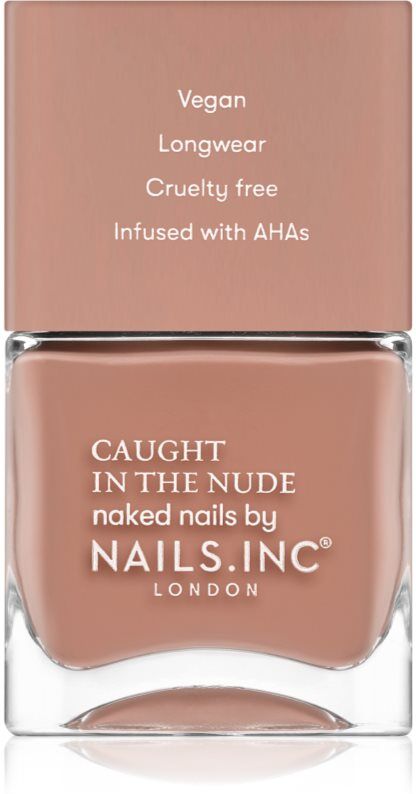
Nails Inc. Caught in the nude nail polish shade Turks and caicos beach 14 mlNails Inc. Caught in the nude, 14 ml, Nail Varnishes for Women, A gorgeous manicure as though you’d just left the nail salon? The Nails Inc. Caught in the nude nail polish lets you achieve it in the comfort of your own home. It coats the surface of the nail with a continuous layer of long-lasting, intense colour with a glossy finish, helping to give your nails a manicured, perfectly groomed look. You can use it to accentuate your nails or perhaps to enhance your outfit and style. So which colour will you choose to make your nails pop? Characteristics: bright, rich colour strengthens and firms the nails easy to apply Ingredients: vegan product How to use: Apply the polish using a brush for polish-free, degreased nails. For best results, apply two layers.7,40 £*Shipping: 3,99 £Secure redirect to the provider
-
Sincere Surroundings Weatherproof Porch Boards Hide PackagesA witty welcome for the home where packages are a closely guarded secret, this porch board is designed to greet every delivery driver and guest at the front door with humor and charm.42,99 $*Shipping: 0,00 $Secure redirect to the provider
-
Are Turks really only Turks?
No, Turks are not only Turks. Turkey is a diverse country with a rich history of various ethnicities, cultures, and languages. There are several minority groups in Turkey, such as Kurds, Arabs, Circassians, and Armenians, who contribute to the country's cultural tapestry. Additionally, many Turks have mixed heritage due to historical migrations and interactions with neighboring regions. Therefore, it is inaccurate to categorize all individuals in Turkey as solely Turks. **
-
Why do German Turks differ from Turks?
German Turks differ from Turks because they have been influenced by the culture and society of Germany, where they have lived for generations. They have been exposed to different customs, traditions, and values, which have shaped their identity and way of life. Additionally, German Turks may have a different perspective on issues such as education, work, and social norms due to their experiences in Germany. This unique blend of Turkish and German influences has contributed to the distinct identity of German Turks. **
-
Why do so many German-Turks or Turks in...?
So many German-Turks or Turks in Germany have a strong connection to Turkey due to historical and cultural ties between the two countries. Many Turkish people migrated to Germany as guest workers in the 1960s and 1970s, and their descendants have continued to maintain their Turkish identity and culture. Additionally, economic and political factors in Turkey have also led to continued migration to Germany. This has resulted in a large Turkish community in Germany that continues to maintain close ties to their Turkish heritage while also integrating into German society. **
-
Are Bashkirs Turks?
The Bashkirs are a Turkic ethnic group native to the region of Bashkortostan in Russia. They are considered part of the Turkic peoples, who share linguistic and cultural ties with other Turkic groups such as the Turks, Uzbeks, and Kazakhs. While the Bashkirs have their own distinct language and culture, they are generally classified as a Turkic ethnic group. **
Similar search terms for Turks
-
ENVIRONMENT Diffuser Inspired by The Wynn Hotel® - 200mLVegan and cruelty-free. Diffuser that is inspired by The Wynn Hotel®. Juicy green melon and nectarine blend into a heart of jasmine and lily ending with notes of blackberry and oakmoss.39,28 $*Shipping: 0,00 $Secure redirect to the provider
-
Are Turks Asians?
Turks are not considered Asians in the traditional sense. Turkey is a transcontinental country, with a small portion of its land located in Southeastern Europe and the majority in Western Asia. However, Turks are more commonly associated with the Middle East and are considered part of the broader Middle Eastern cultural and ethnic group. **
-
Are Turks Caucasian?
Turks are considered to be a part of the Caucasian race due to their geographic location in the region of the Caucasus. However, it is important to note that the term "Caucasian" is often used in a broader sense to refer to people with origins in Europe, the Middle East, and North Africa. Therefore, while Turks may be classified as Caucasian based on their geographic location, the term does not fully capture the diversity of their ethnic and cultural identity. **
-
Are Kazakhs Turks?
Yes, Kazakhs are considered to be of Turkic descent. The Kazakh people are part of the larger Turkic ethnic group, which includes various other Central Asian and Eurasian populations. The Kazakh language is also a member of the Turkic language family, further solidifying their Turkic heritage. Additionally, Kazakh culture and traditions share similarities with other Turkic peoples in terms of music, dance, and cuisine. **
-
Are Turks Europeans?
The question of whether Turks are Europeans is a complex and debated issue. Geographically, Turkey straddles both Europe and Asia, with a small portion of its territory located in southeastern Europe. Culturally, Turkey has a unique blend of European, Middle Eastern, and Central Asian influences. While Turkey has sought to join the European Union and has a long history of interaction with Europe, some Europeans may not consider Turks to be Europeans due to differences in religion, culture, and history. Ultimately, the classification of Turks as Europeans is subjective and can vary depending on individual perspectives. **
* All prices are inclusive of VAT and, if applicable, plus shipping costs. The offer information is based on the details provided by the respective shop and is updated through automated processes. Real-time updates do not occur, so deviations can occur in individual cases. ** Note: Parts of this content were created by AI.