Buy umgebung.eu ?
We are moving the project
umgebung.eu .
Are you interested in purchasing the domain
umgebung.eu ?
domain@kv-gmbh.de · 0541-91531010
Buy umgebung.eu ?
From when is one considered an oncologist?
One is considered an oncologist after completing medical school, a residency in internal medicine, and a fellowship in oncology. This typically takes around 13 years of education and training after high school. Once these requirements are met, the individual can become board-certified in medical oncology and officially practice as an oncologist, specializing in the diagnosis and treatment of cancer. **
How can I become a psycho-oncologist?
To become a psycho-oncologist, you will typically need to complete a doctoral degree in psychology (Ph.D. or Psy.D.) and obtain a state license to practice as a psychologist. After completing your doctoral program, you can pursue specialized training in psycho-oncology through postdoctoral fellowships, specialized courses, or certification programs. It's also important to gain experience working with cancer patients and their families, either through internships, clinical placements, or employment at cancer treatment centers or hospitals. Additionally, seeking board certification in psycho-oncology through organizations such as the American Psychosocial Oncology Society can further demonstrate your expertise in this specialized field. **


Similar search terms for Oncologist
Top-Angebote
Products related to Oncologist:
-
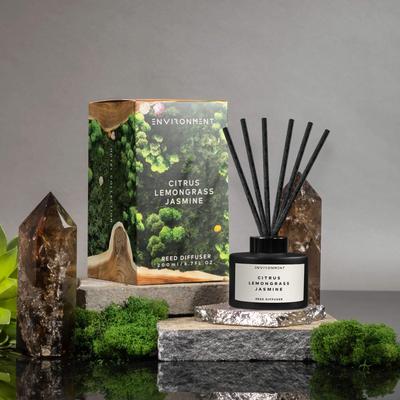
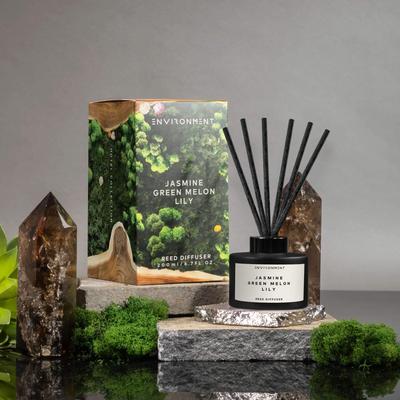
ENVIRONMENT Diffuser Inspired by The Wynn Hotel® - 200mLVegan and cruelty-free. Diffuser that is inspired by The Wynn Hotel®. Juicy green melon and nectarine blend into a heart of jasmine and lily ending with notes of blackberry and oakmoss.39,28 $*Shipping: 0,00 $Secure redirect to the provider


-
How long does one have to study to become an oncologist?
Becoming an oncologist requires a significant amount of education and training. After completing a bachelor's degree, one must attend medical school, which typically takes four years. Following medical school, a residency in internal medicine or pediatrics is required, which lasts for three years. After completing residency, aspiring oncologists must then complete a fellowship in oncology, which typically takes two to three years. In total, it can take around 10-12 years of education and training to become an oncologist. **
-
Can I not go to the oncologist if it's about lymph nodes?
It is important to consult with an oncologist if there are concerns about lymph nodes because they specialize in diagnosing and treating cancer, which can often involve lymph nodes. An oncologist will have the expertise to determine if further testing or treatment is necessary based on the specific situation. It is recommended to follow the advice of a healthcare provider to ensure the best possible care and outcome. **
-
How can a cancer patient become a competent oncologist just through the experience of the illness, able to answer questions about cancer?
A cancer patient can become a competent oncologist through the experience of the illness by actively engaging with their treatment, asking questions, and seeking to understand their diagnosis and treatment options. By participating in support groups, reading medical literature, and discussing their condition with healthcare professionals, they can gain a deep understanding of cancer and its treatment. Additionally, they can use their personal experience to empathize with other patients and provide valuable insights into the emotional and psychological aspects of living with cancer. This firsthand experience can provide a unique perspective that can make them a knowledgeable and compassionate resource for others seeking information about cancer. **
-
Who has a good idea for setting up tea light lanterns outdoors?
One good idea for setting up tea light lanterns outdoors is to hang them from tree branches using clear fishing line. This creates a magical effect as the lanterns appear to be floating in the air. Another idea is to place the lanterns along a garden pathway to create a warm and inviting atmosphere. Additionally, using decorative lantern stakes to place the tea light lanterns around a patio or outdoor seating area can add a cozy ambiance to the space. **

What is the difference between landscape and landscape ecosystem?
Landscape refers to the visible features of an area of land, including physical elements such as mountains, rivers, and forests. On the other hand, a landscape ecosystem encompasses not only the physical features of the land but also the interactions between living organisms and their environment within that landscape. It includes the relationships between plants, animals, and their surroundings, as well as the flow of energy and nutrients within the ecosystem. In essence, landscape ecosystem is a more holistic concept that considers both the physical and biological aspects of a landscape. **
What is the difference between landscape architecture and landscape planning?
Landscape architecture focuses on the design and planning of outdoor spaces, including parks, gardens, and urban plazas, with a focus on aesthetics, functionality, and sustainability. Landscape architects often work on specific projects, creating detailed designs and plans for outdoor spaces. On the other hand, landscape planning is a broader field that involves the strategic and holistic planning of land use, natural resources, and environmental conservation. It encompasses the assessment, analysis, and management of landscapes at a larger scale, often involving multiple stakeholders and considering long-term impacts on the environment and communities. In summary, landscape architecture is more focused on the design and aesthetics of outdoor spaces, while landscape planning involves the strategic and comprehensive planning of land use and natural resources. **
Top-Angebote
Products related to Oncologist:
-
Sincere Surroundings Weatherproof Porch Boards Hide PackagesA witty welcome for the home where packages are a closely guarded secret, this porch board is designed to greet every delivery driver and guest at the front door with humor and charm.42,99 $*Shipping: 0,00 $Secure redirect to the provider
-
From when is one considered an oncologist?
One is considered an oncologist after completing medical school, a residency in internal medicine, and a fellowship in oncology. This typically takes around 13 years of education and training after high school. Once these requirements are met, the individual can become board-certified in medical oncology and officially practice as an oncologist, specializing in the diagnosis and treatment of cancer. **
-
How can I become a psycho-oncologist?
To become a psycho-oncologist, you will typically need to complete a doctoral degree in psychology (Ph.D. or Psy.D.) and obtain a state license to practice as a psychologist. After completing your doctoral program, you can pursue specialized training in psycho-oncology through postdoctoral fellowships, specialized courses, or certification programs. It's also important to gain experience working with cancer patients and their families, either through internships, clinical placements, or employment at cancer treatment centers or hospitals. Additionally, seeking board certification in psycho-oncology through organizations such as the American Psychosocial Oncology Society can further demonstrate your expertise in this specialized field. **
-
How long does one have to study to become an oncologist?
Becoming an oncologist requires a significant amount of education and training. After completing a bachelor's degree, one must attend medical school, which typically takes four years. Following medical school, a residency in internal medicine or pediatrics is required, which lasts for three years. After completing residency, aspiring oncologists must then complete a fellowship in oncology, which typically takes two to three years. In total, it can take around 10-12 years of education and training to become an oncologist. **
-
Can I not go to the oncologist if it's about lymph nodes?
It is important to consult with an oncologist if there are concerns about lymph nodes because they specialize in diagnosing and treating cancer, which can often involve lymph nodes. An oncologist will have the expertise to determine if further testing or treatment is necessary based on the specific situation. It is recommended to follow the advice of a healthcare provider to ensure the best possible care and outcome. **
Similar search terms for Oncologist
-
ENVIRONMENT Diffuser Inspired by The Wynn Hotel® - 200mLVegan and cruelty-free. Diffuser that is inspired by The Wynn Hotel®. Juicy green melon and nectarine blend into a heart of jasmine and lily ending with notes of blackberry and oakmoss.39,28 $*Shipping: 0,00 $Secure redirect to the provider
-
Sincere Surroundings Porch Board Weatherproof Peace On Earth Cardinal - 8x46.5x.5"Bring hope and holiday spirit to your entryway. Featuring the heartfelt sentiment, ""Peace On Earth,"" this weatherproof porch board welcomes guests with reflection and seasonal warmth."47,49 $*Shipping: 0,00 $Secure redirect to the provider
-
How can a cancer patient become a competent oncologist just through the experience of the illness, able to answer questions about cancer?
A cancer patient can become a competent oncologist through the experience of the illness by actively engaging with their treatment, asking questions, and seeking to understand their diagnosis and treatment options. By participating in support groups, reading medical literature, and discussing their condition with healthcare professionals, they can gain a deep understanding of cancer and its treatment. Additionally, they can use their personal experience to empathize with other patients and provide valuable insights into the emotional and psychological aspects of living with cancer. This firsthand experience can provide a unique perspective that can make them a knowledgeable and compassionate resource for others seeking information about cancer. **
-
Who has a good idea for setting up tea light lanterns outdoors?
One good idea for setting up tea light lanterns outdoors is to hang them from tree branches using clear fishing line. This creates a magical effect as the lanterns appear to be floating in the air. Another idea is to place the lanterns along a garden pathway to create a warm and inviting atmosphere. Additionally, using decorative lantern stakes to place the tea light lanterns around a patio or outdoor seating area can add a cozy ambiance to the space. **
-
What is the difference between landscape and landscape ecosystem?
Landscape refers to the visible features of an area of land, including physical elements such as mountains, rivers, and forests. On the other hand, a landscape ecosystem encompasses not only the physical features of the land but also the interactions between living organisms and their environment within that landscape. It includes the relationships between plants, animals, and their surroundings, as well as the flow of energy and nutrients within the ecosystem. In essence, landscape ecosystem is a more holistic concept that considers both the physical and biological aspects of a landscape. **
-
What is the difference between landscape architecture and landscape planning?
Landscape architecture focuses on the design and planning of outdoor spaces, including parks, gardens, and urban plazas, with a focus on aesthetics, functionality, and sustainability. Landscape architects often work on specific projects, creating detailed designs and plans for outdoor spaces. On the other hand, landscape planning is a broader field that involves the strategic and holistic planning of land use, natural resources, and environmental conservation. It encompasses the assessment, analysis, and management of landscapes at a larger scale, often involving multiple stakeholders and considering long-term impacts on the environment and communities. In summary, landscape architecture is more focused on the design and aesthetics of outdoor spaces, while landscape planning involves the strategic and comprehensive planning of land use and natural resources. **
* All prices are inclusive of VAT and, if applicable, plus shipping costs. The offer information is based on the details provided by the respective shop and is updated through automated processes. Real-time updates do not occur, so deviations can occur in individual cases. ** Note: Parts of this content were created by AI.