Buy umgebung.eu ?
We are moving the project
umgebung.eu .
Are you interested in purchasing the domain
umgebung.eu ?
domain@kv-gmbh.de · 0541-91531010
Buy umgebung.eu ?
How does the foliage change color?
The foliage changes color due to a process called chlorophyll breakdown. As the days get shorter and temperatures drop in the fall, trees stop producing chlorophyll, the green pigment responsible for photosynthesis. This causes the green color to fade, revealing other pigments such as carotenoids (yellows and oranges) and anthocyanins (reds and purples) that were present in the leaves all along. The combination of these pigments creates the vibrant fall colors we see. **
Does autumn foliage consist of cellulose?
Yes, autumn foliage does consist of cellulose. Cellulose is a major component of plant cell walls and provides structural support to the plant. As the leaves change color in the autumn, the chlorophyll breaks down and the other pigments in the leaves, such as carotenoids and anthocyanins, become more visible. These pigments are also made up of organic compounds, including cellulose, which gives the leaves their characteristic colors during the fall season. **


Similar search terms for Foliage
Top-Angebote
Products related to Foliage:
-
Faux Festive Berries & Foliage WreathWelcome guests in style with our Faux Festive Berries & Foliage Wreath. Generously layered with realistic frosted pine needles, eucalyptus leaves, and lush mixed greenery, this striking door ornament captures the magic of a winter woodland. It is beautifully detailed with clusters of snowy white berries, rustic pine cones, and rustic silver sleigh bells that add a charming seasonal jingle. Built on a sturdy, natural twig base, this durable artificial wreath is perfect for displaying on your front door, mantelpiece, or dining room wall for effortless, everlasting Christmas elegance. Dimensions: 55cm34,00 £*Shipping: 4,99 £Secure redirect to the provider
-
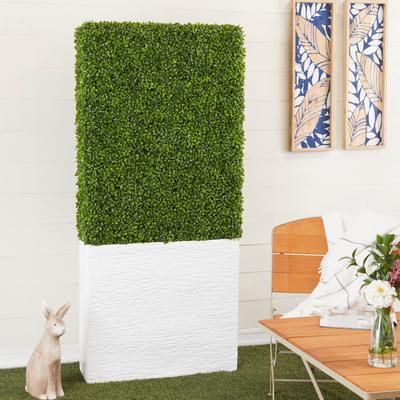
Studio 350 Contemporary Green Artificial FoliageLevel up your indoor potted plants with this versatile artificial foliage wall panel that perfectly mimics freshly trimmed grass hedges. Add some greenery to your decor with no keep up effort with these artificial foliage.885,99 $*Shipping: 0,00 $Secure redirect to the provider
-
Veer Decor Allure Foliage WallpaperDelicate botanical elements intertwine in an elegant, hand-sketched design, featuring an intricate layering of leaves and fronds. The finely embossed texture enhances the tactile experience, adding dimension and a soft, natural feel to any space.149,99 $*Shipping: 0,00 $Secure redirect to the provider



-
To which plant does this foliage belong?
This foliage belongs to a fern plant. Ferns are known for their feathery or lacy leaves that are called fronds. They are non-flowering plants that reproduce through spores. Ferns are commonly found in moist and shady environments, and they add a lush and tropical feel to gardens and indoor spaces. **
-
Does an ivy shoot die if you spray the foliage with glyphosate?
Yes, spraying the foliage of an ivy shoot with glyphosate will likely cause it to die. Glyphosate is a non-selective herbicide, meaning it will kill any plant it comes into contact with. When sprayed on the foliage, glyphosate is absorbed by the plant and moves throughout its system, ultimately killing it. Therefore, it is important to be careful when using glyphosate near desirable plants to avoid unintended damage. **
-
What is missing in the soil when the leaves or foliage turn pale yellow?
When the leaves or foliage turn pale yellow, it is often a sign of nutrient deficiency in the soil. One of the most common deficiencies associated with pale yellow leaves is a lack of nitrogen. Nitrogen is an essential nutrient for plant growth and is necessary for the production of chlorophyll, which gives leaves their green color. Without enough nitrogen, plants cannot produce enough chlorophyll, leading to pale yellow leaves. Other potential deficiencies that can cause pale yellow leaves include iron, magnesium, and sulfur. It is important to test the soil to determine which nutrient is lacking and then address the deficiency through fertilization or soil amendments. **
-
Who has a good idea for setting up tea light lanterns outdoors?
One good idea for setting up tea light lanterns outdoors is to hang them from tree branches using clear fishing line. This creates a magical effect as the lanterns appear to be floating in the air. Another idea is to place the lanterns along a garden pathway to create a warm and inviting atmosphere. Additionally, using decorative lantern stakes to place the tea light lanterns around a patio or outdoor seating area can add a cozy ambiance to the space. **


What is the difference between landscape and landscape ecosystem?
Landscape refers to the visible features of an area of land, including physical elements such as mountains, rivers, and forests. On the other hand, a landscape ecosystem encompasses not only the physical features of the land but also the interactions between living organisms and their environment within that landscape. It includes the relationships between plants, animals, and their surroundings, as well as the flow of energy and nutrients within the ecosystem. In essence, landscape ecosystem is a more holistic concept that considers both the physical and biological aspects of a landscape. **
What is the difference between landscape architecture and landscape planning?
Landscape architecture focuses on the design and planning of outdoor spaces, including parks, gardens, and urban plazas, with a focus on aesthetics, functionality, and sustainability. Landscape architects often work on specific projects, creating detailed designs and plans for outdoor spaces. On the other hand, landscape planning is a broader field that involves the strategic and holistic planning of land use, natural resources, and environmental conservation. It encompasses the assessment, analysis, and management of landscapes at a larger scale, often involving multiple stakeholders and considering long-term impacts on the environment and communities. In summary, landscape architecture is more focused on the design and aesthetics of outdoor spaces, while landscape planning involves the strategic and comprehensive planning of land use and natural resources. **
Top-Angebote
Products related to Foliage:
-
"Arcilla Elemental - Green Faux Foliage Topiary Indoor Outdoor Artificial Foliage Ball - 15""D"Use it as a centerpiece on the living room coffee table or a corner accent piece by the hallway console dresser. Add some greenery to your decor with no keep up effort with these artificial foliage.72,98 $*Shipping: 0,00 $Secure redirect to the provider
-
Veer Decor Allure Foliage WallpaperDelicate botanical elements intertwine in an elegant, hand-sketched design, featuring an intricate layering of leaves and fronds. The finely embossed texture enhances the tactile experience, adding dimension and a soft, natural feel to any space.149,99 $*Shipping: 0,00 $Secure redirect to the provider
-
Faux Festive Berries & Foliage WreathWelcome guests in style with our Faux Festive Berries & Foliage Wreath. Generously layered with realistic frosted pine needles, eucalyptus leaves, and lush mixed greenery, this striking door ornament captures the magic of a winter woodland. It is beautifully detailed with clusters of snowy white berries, rustic pine cones, and rustic silver sleigh bells that add a charming seasonal jingle. Built on a sturdy, natural twig base, this durable artificial wreath is perfect for displaying on your front door, mantelpiece, or dining room wall for effortless, everlasting Christmas elegance. Dimensions: 55cm34,00 £*Shipping: 4,99 £Secure redirect to the provider
-
Studio 350 Contemporary Green Artificial FoliageLevel up your indoor potted plants with this versatile artificial foliage wall panel that perfectly mimics freshly trimmed grass hedges. Add some greenery to your decor with no keep up effort with these artificial foliage.885,99 $*Shipping: 0,00 $Secure redirect to the provider
-
How does the foliage change color?
The foliage changes color due to a process called chlorophyll breakdown. As the days get shorter and temperatures drop in the fall, trees stop producing chlorophyll, the green pigment responsible for photosynthesis. This causes the green color to fade, revealing other pigments such as carotenoids (yellows and oranges) and anthocyanins (reds and purples) that were present in the leaves all along. The combination of these pigments creates the vibrant fall colors we see. **
-
Does autumn foliage consist of cellulose?
Yes, autumn foliage does consist of cellulose. Cellulose is a major component of plant cell walls and provides structural support to the plant. As the leaves change color in the autumn, the chlorophyll breaks down and the other pigments in the leaves, such as carotenoids and anthocyanins, become more visible. These pigments are also made up of organic compounds, including cellulose, which gives the leaves their characteristic colors during the fall season. **
-
To which plant does this foliage belong?
This foliage belongs to a fern plant. Ferns are known for their feathery or lacy leaves that are called fronds. They are non-flowering plants that reproduce through spores. Ferns are commonly found in moist and shady environments, and they add a lush and tropical feel to gardens and indoor spaces. **
-
Does an ivy shoot die if you spray the foliage with glyphosate?
Yes, spraying the foliage of an ivy shoot with glyphosate will likely cause it to die. Glyphosate is a non-selective herbicide, meaning it will kill any plant it comes into contact with. When sprayed on the foliage, glyphosate is absorbed by the plant and moves throughout its system, ultimately killing it. Therefore, it is important to be careful when using glyphosate near desirable plants to avoid unintended damage. **
Similar search terms for Foliage
-
Veer Decor Allure Foliage WallpaperDelicate botanical elements intertwine in an elegant, hand-sketched design, featuring an intricate layering of leaves and fronds. The finely embossed texture enhances the tactile experience, adding dimension and a soft, natural feel to any space.149,99 $*Shipping: 0,00 $Secure redirect to the provider
-
What is missing in the soil when the leaves or foliage turn pale yellow?
When the leaves or foliage turn pale yellow, it is often a sign of nutrient deficiency in the soil. One of the most common deficiencies associated with pale yellow leaves is a lack of nitrogen. Nitrogen is an essential nutrient for plant growth and is necessary for the production of chlorophyll, which gives leaves their green color. Without enough nitrogen, plants cannot produce enough chlorophyll, leading to pale yellow leaves. Other potential deficiencies that can cause pale yellow leaves include iron, magnesium, and sulfur. It is important to test the soil to determine which nutrient is lacking and then address the deficiency through fertilization or soil amendments. **
-
Who has a good idea for setting up tea light lanterns outdoors?
One good idea for setting up tea light lanterns outdoors is to hang them from tree branches using clear fishing line. This creates a magical effect as the lanterns appear to be floating in the air. Another idea is to place the lanterns along a garden pathway to create a warm and inviting atmosphere. Additionally, using decorative lantern stakes to place the tea light lanterns around a patio or outdoor seating area can add a cozy ambiance to the space. **
-
What is the difference between landscape and landscape ecosystem?
Landscape refers to the visible features of an area of land, including physical elements such as mountains, rivers, and forests. On the other hand, a landscape ecosystem encompasses not only the physical features of the land but also the interactions between living organisms and their environment within that landscape. It includes the relationships between plants, animals, and their surroundings, as well as the flow of energy and nutrients within the ecosystem. In essence, landscape ecosystem is a more holistic concept that considers both the physical and biological aspects of a landscape. **
-
What is the difference between landscape architecture and landscape planning?
Landscape architecture focuses on the design and planning of outdoor spaces, including parks, gardens, and urban plazas, with a focus on aesthetics, functionality, and sustainability. Landscape architects often work on specific projects, creating detailed designs and plans for outdoor spaces. On the other hand, landscape planning is a broader field that involves the strategic and holistic planning of land use, natural resources, and environmental conservation. It encompasses the assessment, analysis, and management of landscapes at a larger scale, often involving multiple stakeholders and considering long-term impacts on the environment and communities. In summary, landscape architecture is more focused on the design and aesthetics of outdoor spaces, while landscape planning involves the strategic and comprehensive planning of land use and natural resources. **
* All prices are inclusive of VAT and, if applicable, plus shipping costs. The offer information is based on the details provided by the respective shop and is updated through automated processes. Real-time updates do not occur, so deviations can occur in individual cases. ** Note: Parts of this content were created by AI.