Buy umgebung.eu ?
We are moving the project
umgebung.eu .
Are you interested in purchasing the domain
umgebung.eu ?
domain@kv-gmbh.de · 0541-91531010
Buy umgebung.eu ?
Are adjectives comparative?
Yes, adjectives can be comparative. Comparative adjectives are used to compare two things, showing the difference in degree between them. They are often formed by adding the suffix "-er" to the end of the adjective, or by using the words "more" or "less" before the adjective. For example, "taller" is the comparative form of the adjective "tall," and "more beautiful" is the comparative form of the adjective "beautiful." **
What is a comparative characteristic?
A comparative characteristic is a feature or quality that is used to compare two or more things. It involves analyzing similarities and differences between the objects being compared in order to make a judgment or draw a conclusion. Comparative characteristics are often used in decision-making processes, evaluations, and assessments to determine which option is better or more suitable based on specific criteria. **


Similar search terms for Comparative
Top-Angebote
Products related to Comparative:
-
Sincere Surroundings Porch Board Weatherproof Blessed Colorful Pumpkins - 8x46.5x.5"Weatherproof porch boards! Engineered to withstand the harshest elements and ensure unmatched durability. These porch boards are the perfect foundation for your outdoor space. Proudly designed, manufactured and printed in the USA. Size: 8"" x 46.5"" x..."47,49 $*Shipping: 0,00 $Secure redirect to the provider



-
How does the Russian comparative work?
The Russian comparative is formed by adding the suffix "-ее" to the adjective for short adjectives, and by adding the word "более" before the adjective for long adjectives. For example, "больше" means "more" in Russian, so you would say "больше красивый" to mean "more beautiful." The comparative is used to compare two things or people, indicating that one has more of a certain quality than the other. **
-
What is the comparative form of...?
The comparative form of an adjective or adverb is used to compare two things. It is typically formed by adding "-er" to the end of the word for short adjectives or adverbs, or by using "more" before the word for longer ones. For example, the comparative form of "big" is "bigger" and the comparative form of "quickly" is "more quickly." **
-
What is the comparative form of hdgdl?
The comparative form of "hdgdl" is "better than." This form is used to compare two things or situations, indicating that one is superior to the other. For example, "I feel hdgdl today, but I felt even better than yesterday." **
-
What is the comparative form of vegan?
The comparative form of vegan is "more vegan." This form is used when comparing the degree of adherence to a vegan lifestyle between two or more individuals or things. For example, one person may be more vegan than another if they strictly adhere to a plant-based diet and avoid all animal products. **

What is the comparative form of atheist?
The comparative form of "atheist" is "more atheist." This form is used when comparing the degree of atheism between two or more individuals or groups. For example, one person may be described as "more atheist" than another if they hold stronger beliefs in the absence of a deity. **
How does the Russian comparative form work?
In Russian, the comparative form is used to compare two things or people. To form the comparative, you typically add the suffix "-ее" or "-ей" to the adjective. For example, "большой" (big) becomes "больше" (bigger) and "красивый" (beautiful) becomes "красивее" (more beautiful). The comparative form can also be used with adverbs by adding the suffix "-ее" or "-ей" to the adverb. **
Top-Angebote
Products related to Comparative:
-
Sincere Surroundings Weatherproof Porch Boards Hide PackagesA witty welcome for the home where packages are a closely guarded secret, this porch board is designed to greet every delivery driver and guest at the front door with humor and charm.42,99 $*Shipping: 0,00 $Secure redirect to the provider
-
Are adjectives comparative?
Yes, adjectives can be comparative. Comparative adjectives are used to compare two things, showing the difference in degree between them. They are often formed by adding the suffix "-er" to the end of the adjective, or by using the words "more" or "less" before the adjective. For example, "taller" is the comparative form of the adjective "tall," and "more beautiful" is the comparative form of the adjective "beautiful." **
-
What is a comparative characteristic?
A comparative characteristic is a feature or quality that is used to compare two or more things. It involves analyzing similarities and differences between the objects being compared in order to make a judgment or draw a conclusion. Comparative characteristics are often used in decision-making processes, evaluations, and assessments to determine which option is better or more suitable based on specific criteria. **
-
How does the Russian comparative work?
The Russian comparative is formed by adding the suffix "-ее" to the adjective for short adjectives, and by adding the word "более" before the adjective for long adjectives. For example, "больше" means "more" in Russian, so you would say "больше красивый" to mean "more beautiful." The comparative is used to compare two things or people, indicating that one has more of a certain quality than the other. **
-
What is the comparative form of...?
The comparative form of an adjective or adverb is used to compare two things. It is typically formed by adding "-er" to the end of the word for short adjectives or adverbs, or by using "more" before the word for longer ones. For example, the comparative form of "big" is "bigger" and the comparative form of "quickly" is "more quickly." **
Similar search terms for Comparative
-
Sincere Surroundings Porch Board Weatherproof Blessed Colorful Pumpkins - 8x46.5x.5"Weatherproof porch boards! Engineered to withstand the harshest elements and ensure unmatched durability. These porch boards are the perfect foundation for your outdoor space. Proudly designed, manufactured and printed in the USA. Size: 8"" x 46.5"" x..."47,49 $*Shipping: 0,00 $Secure redirect to the provider
-
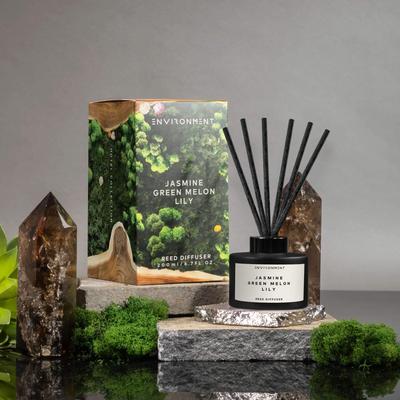
ENVIRONMENT Diffuser Inspired by The Wynn Hotel® - 200mLVegan and cruelty-free. Diffuser that is inspired by The Wynn Hotel®. Juicy green melon and nectarine blend into a heart of jasmine and lily ending with notes of blackberry and oakmoss.39,28 $*Shipping: 0,00 $Secure redirect to the provider
-
What is the comparative form of hdgdl?
The comparative form of "hdgdl" is "better than." This form is used to compare two things or situations, indicating that one is superior to the other. For example, "I feel hdgdl today, but I felt even better than yesterday." **
-
What is the comparative form of vegan?
The comparative form of vegan is "more vegan." This form is used when comparing the degree of adherence to a vegan lifestyle between two or more individuals or things. For example, one person may be more vegan than another if they strictly adhere to a plant-based diet and avoid all animal products. **
-
What is the comparative form of atheist?
The comparative form of "atheist" is "more atheist." This form is used when comparing the degree of atheism between two or more individuals or groups. For example, one person may be described as "more atheist" than another if they hold stronger beliefs in the absence of a deity. **
-
How does the Russian comparative form work?
In Russian, the comparative form is used to compare two things or people. To form the comparative, you typically add the suffix "-ее" or "-ей" to the adjective. For example, "большой" (big) becomes "больше" (bigger) and "красивый" (beautiful) becomes "красивее" (more beautiful). The comparative form can also be used with adverbs by adding the suffix "-ее" or "-ей" to the adverb. **
* All prices are inclusive of VAT and, if applicable, plus shipping costs. The offer information is based on the details provided by the respective shop and is updated through automated processes. Real-time updates do not occur, so deviations can occur in individual cases. ** Note: Parts of this content were created by AI.