Buy umgebung.eu ?
We are moving the project
umgebung.eu .
Are you interested in purchasing the domain
umgebung.eu ?
domain@kv-gmbh.de · 0541-91531010
Buy umgebung.eu ?
How do elastomers harm the environment?
Elastomers harm the environment primarily through pollution and waste generation. When elastomers are disposed of in landfills, they can release harmful chemicals and toxins into the soil and water, leading to contamination. Additionally, the production of elastomers often involves the use of non-renewable resources and energy, contributing to greenhouse gas emissions and climate change. Furthermore, the slow decomposition rate of elastomers means they can persist in the environment for a long time, posing a threat to wildlife and ecosystems. **
Does burning wood harm the environment?
Burning wood can harm the environment if it is not done properly. When wood is burned, it releases carbon dioxide and other pollutants into the air, contributing to air pollution and climate change. Additionally, if the wood comes from unsustainable sources, it can lead to deforestation and habitat destruction. To minimize the environmental impact of burning wood, it is important to use efficient stoves or fireplaces, source wood from sustainable forests, and consider alternative heating options. **

Similar search terms for Harm
Top-Angebote
Products related to Harm:
-
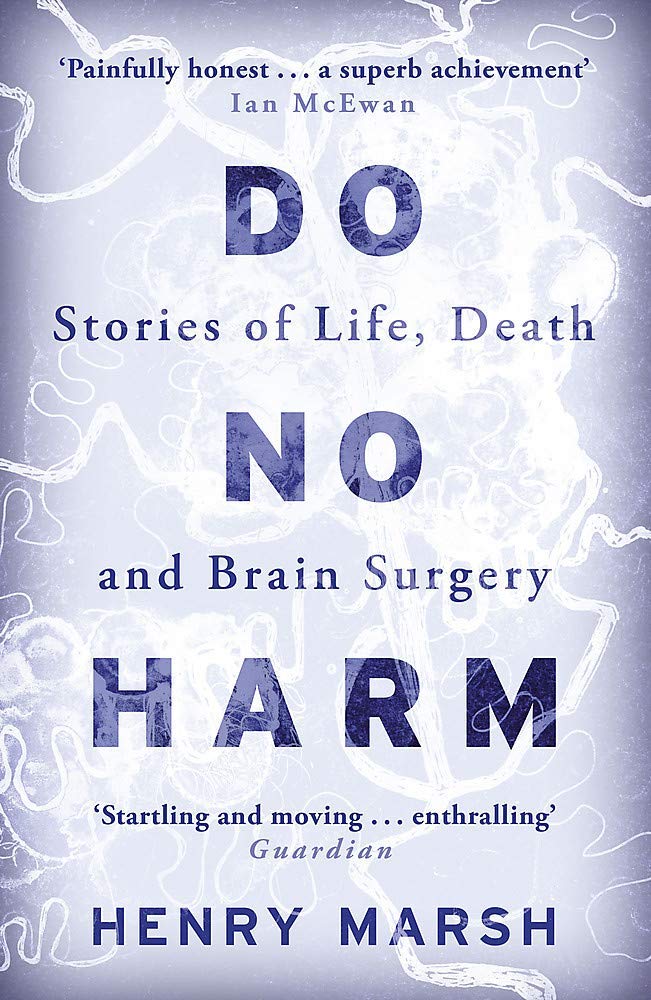
Various Publishers Do No Harm, In Stitches, Trust Me I'm a Junior Doctor, The Prison Doctor - 4 Books Medical Memoir Collection Set - Paperback - NewThis four-book paperback collection brings together some of the most talked-about medical memoirs of recent years. From the neurosurgeon's operating table to a hectic A&E; department, from a junior doctor's first NHS year to the locked wards of British prisons, these true stories reveal the skill, stress and humanity behind modern healthcare. Written by doctors who lived every page, this set suits readers who love honest, fly-on-the-wall accounts of medicine as it really is. The books include Do No Harm by Henry Marsh, In Stitches by Nick Edwards, Trust Me, I'm a (Junior) Doctor by Max Pemberton, and The Prison Doctor by Dr Amanda Brown.27,99 £*Shipping: 2,99 £Secure redirect to the provider
-
Various Publishers Do No Harm, When Breath Becomes Air, This Is Going to Hurt 3 Book Medical Memoir Set by Marsh, Kalanithi & Kay - Paperback - Adult Non FictionThis three-book memoir set brings together some of the most talked-about medical writing of the last decade. The collection includes 'Do No Harm' by Henry Marsh, 'When Breath Becomes Air' by Paul Kalanithi, and 'This Is Going to Hurt' by Adam Kay. Each author spent years inside operating theatres and hospital wards, and turned their experience into a memoir that readers couldn't put down. Together, these paperbacks explore surgery, mortality, and the reality of frontline medicine, mixing dark humour with real emotional weight. The books offer an honest look at what doctors go through, making them a compelling read for anyone interested in medical writing.22,99 £*Shipping: 2,99 £Secure redirect to the provider
-
Sincere Surroundings Weatherproof Porch Boards Hide PackagesA witty welcome for the home where packages are a closely guarded secret, this porch board is designed to greet every delivery driver and guest at the front door with humor and charm.42,99 $*Shipping: 0,00 $Secure redirect to the provider



-
Does toilet paper harm the environment?
Toilet paper production can harm the environment due to the large amount of trees that are cut down to make it. Additionally, the bleaching process used to make toilet paper white can release harmful chemicals into the environment. Furthermore, the disposal of toilet paper can contribute to pollution and waste in landfills. However, there are more sustainable options available, such as recycled toilet paper or bamboo toilet paper, which have a lower environmental impact. **
-
How can CO2 harm the environment?
CO2 can harm the environment in several ways. It is a greenhouse gas that contributes to global warming and climate change, leading to rising temperatures, melting ice caps, and extreme weather events. Additionally, increased CO2 levels in the atmosphere can lead to ocean acidification, which can harm marine life and disrupt the oceanic ecosystem. Furthermore, high levels of CO2 can also contribute to air pollution and respiratory problems in humans and animals. **
-
Does burning trash harm the environment?
Yes, burning trash can harm the environment in several ways. When trash is burned, it releases harmful pollutants and greenhouse gases into the air, contributing to air pollution and climate change. Additionally, the ash and residue left behind from burning trash can contaminate soil and water, impacting ecosystems and potentially harming wildlife. Burning trash also contributes to the depletion of natural resources and can release toxic chemicals into the environment. Overall, burning trash is not a sustainable or environmentally friendly method of waste disposal. **
-
Why does eating meat harm the environment?
Eating meat harms the environment primarily due to the significant resources required for meat production. The livestock industry is a major contributor to deforestation, as land is cleared for grazing and growing animal feed. Additionally, livestock farming produces large amounts of greenhouse gases, such as methane and nitrous oxide, which contribute to climate change. Water pollution is another concern, as animal waste and chemicals from feed crops can contaminate water sources. Overall, reducing meat consumption can help mitigate these environmental impacts. **


How does cheap goods harm the environment?
Cheap goods harm the environment in several ways. Firstly, the production of cheap goods often involves the use of low-cost, environmentally damaging materials and processes. This can lead to pollution of air, water, and soil, as well as the depletion of natural resources. Additionally, the disposal of cheap goods often leads to increased waste and landfill usage, as they are often not designed to be easily recyclable or biodegradable. Finally, the transportation of cheap goods over long distances can contribute to greenhouse gas emissions and global warming. Overall, the production and consumption of cheap goods can have a significant negative impact on the environment. **
Why does meat consumption harm the environment?
Meat consumption harms the environment in several ways. Firstly, the livestock industry is a major contributor to greenhouse gas emissions, particularly methane and nitrous oxide, which are potent contributors to climate change. Additionally, raising livestock requires a significant amount of land, water, and feed, leading to deforestation, water depletion, and habitat destruction. The production and transportation of meat also contribute to air and water pollution. Overall, the environmental impact of meat consumption is significant and contributes to a range of environmental problems. **
Top-Angebote
Products related to Harm:
-
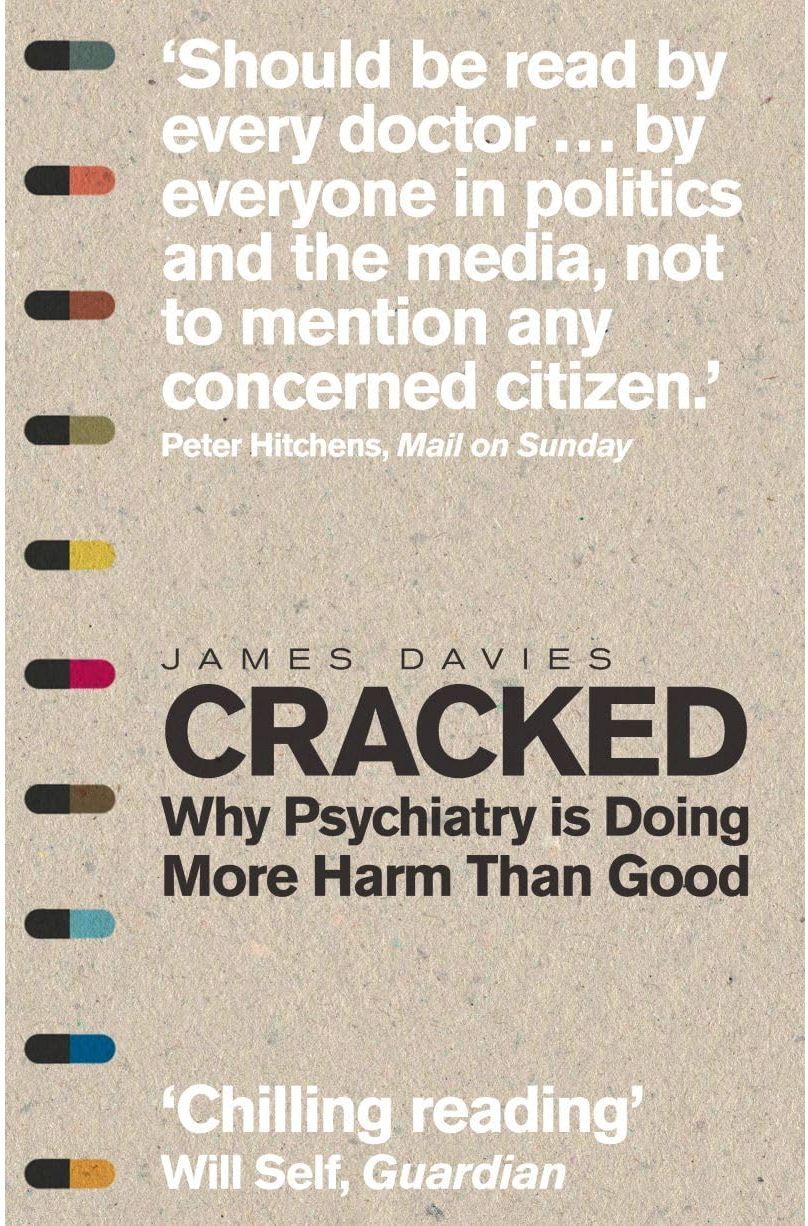
Icon Books Cracked: Why Psychiatry is Doing More Harm Than Good by James DaviesWhy is psychiatry such big business? Why are so many psychiatric drugs prescribed - 47 million antidepressant prescriptions in the UK alone last year - and why, without solid scientific justification, has the number of mental disorders risen from 106 in 1952 to 374 today?The everyday sufferings and setbacks of life are now 'medicalised' into illnesses that require treatment - usually with highly profitable drugs. Psychological therapist James Davies uses his insider knowledge to illustrate for a general readership how psychiatry has put riches and medical status above patients' well-being. The charge sheet is damning: negative drug trials routinely buried; antidepressants that work no better than placebos; research regularly manipulated to produce positive results; doctors, seduced by huge pharmaceutical rewards, creating more disorders and prescribing more pills; and ethical, scientific and treatment flaws unscrupulously concealed by mass-marketing.Cracked reveals for the first time the true human cost of an industry that, in the name of helping others, has actually been helping itself.3,99 £*Shipping: 1,99 £Secure redirect to the provider
-
Icon Books Cracked: Why Psychiatry Is Doing More Harm Than Good by James Davies - Paperback - Non Fiction Psychiatry & Mental Health ExposeCracked: Why Psychiatry Is Doing More Harm Than Good is a hard-hitting investigation into the modern mental health industry, written by psychotherapist and social anthropologist James Davies. Drawing on original interviews, clinical experience, and years of research, Davies asks why psychiatric diagnoses have multiplied and why so many people are medicated for everyday distress. This book is essential reading for anyone questioning how society understands and treats mental illness, from patients and carers to students and professionals. In this book, James Davies pulls back the curtain on the psychiatric establishment, exposing how commercial interests, weak science, and cultural pressures have combined to inflate the number of recognised mental disorders from just over a hundred in the 1950s to hundreds today. He examines the rise of psychotropic medication and its impact on society.2,99 £*Shipping: 2,99 £Secure redirect to the provider
-
Various Publishers Do No Harm, In Stitches, Trust Me I'm a Junior Doctor, The Prison Doctor - 4 Books Medical Memoir Collection Set - Paperback - NewThis four-book paperback collection brings together some of the most talked-about medical memoirs of recent years. From the neurosurgeon's operating table to a hectic A&E; department, from a junior doctor's first NHS year to the locked wards of British prisons, these true stories reveal the skill, stress and humanity behind modern healthcare. Written by doctors who lived every page, this set suits readers who love honest, fly-on-the-wall accounts of medicine as it really is. The books include Do No Harm by Henry Marsh, In Stitches by Nick Edwards, Trust Me, I'm a (Junior) Doctor by Max Pemberton, and The Prison Doctor by Dr Amanda Brown.27,99 £*Shipping: 2,99 £Secure redirect to the provider
-
Various Publishers Do No Harm, When Breath Becomes Air, This Is Going to Hurt 3 Book Medical Memoir Set by Marsh, Kalanithi & Kay - Paperback - Adult Non FictionThis three-book memoir set brings together some of the most talked-about medical writing of the last decade. The collection includes 'Do No Harm' by Henry Marsh, 'When Breath Becomes Air' by Paul Kalanithi, and 'This Is Going to Hurt' by Adam Kay. Each author spent years inside operating theatres and hospital wards, and turned their experience into a memoir that readers couldn't put down. Together, these paperbacks explore surgery, mortality, and the reality of frontline medicine, mixing dark humour with real emotional weight. The books offer an honest look at what doctors go through, making them a compelling read for anyone interested in medical writing.22,99 £*Shipping: 2,99 £Secure redirect to the provider
-
How do elastomers harm the environment?
Elastomers harm the environment primarily through pollution and waste generation. When elastomers are disposed of in landfills, they can release harmful chemicals and toxins into the soil and water, leading to contamination. Additionally, the production of elastomers often involves the use of non-renewable resources and energy, contributing to greenhouse gas emissions and climate change. Furthermore, the slow decomposition rate of elastomers means they can persist in the environment for a long time, posing a threat to wildlife and ecosystems. **
-
Does burning wood harm the environment?
Burning wood can harm the environment if it is not done properly. When wood is burned, it releases carbon dioxide and other pollutants into the air, contributing to air pollution and climate change. Additionally, if the wood comes from unsustainable sources, it can lead to deforestation and habitat destruction. To minimize the environmental impact of burning wood, it is important to use efficient stoves or fireplaces, source wood from sustainable forests, and consider alternative heating options. **
-
Does toilet paper harm the environment?
Toilet paper production can harm the environment due to the large amount of trees that are cut down to make it. Additionally, the bleaching process used to make toilet paper white can release harmful chemicals into the environment. Furthermore, the disposal of toilet paper can contribute to pollution and waste in landfills. However, there are more sustainable options available, such as recycled toilet paper or bamboo toilet paper, which have a lower environmental impact. **
-
How can CO2 harm the environment?
CO2 can harm the environment in several ways. It is a greenhouse gas that contributes to global warming and climate change, leading to rising temperatures, melting ice caps, and extreme weather events. Additionally, increased CO2 levels in the atmosphere can lead to ocean acidification, which can harm marine life and disrupt the oceanic ecosystem. Furthermore, high levels of CO2 can also contribute to air pollution and respiratory problems in humans and animals. **
Similar search terms for Harm
-
Sincere Surroundings Weatherproof Porch Boards Hide PackagesA witty welcome for the home where packages are a closely guarded secret, this porch board is designed to greet every delivery driver and guest at the front door with humor and charm.42,99 $*Shipping: 0,00 $Secure redirect to the provider
-
Does burning trash harm the environment?
Yes, burning trash can harm the environment in several ways. When trash is burned, it releases harmful pollutants and greenhouse gases into the air, contributing to air pollution and climate change. Additionally, the ash and residue left behind from burning trash can contaminate soil and water, impacting ecosystems and potentially harming wildlife. Burning trash also contributes to the depletion of natural resources and can release toxic chemicals into the environment. Overall, burning trash is not a sustainable or environmentally friendly method of waste disposal. **
-
Why does eating meat harm the environment?
Eating meat harms the environment primarily due to the significant resources required for meat production. The livestock industry is a major contributor to deforestation, as land is cleared for grazing and growing animal feed. Additionally, livestock farming produces large amounts of greenhouse gases, such as methane and nitrous oxide, which contribute to climate change. Water pollution is another concern, as animal waste and chemicals from feed crops can contaminate water sources. Overall, reducing meat consumption can help mitigate these environmental impacts. **
-
How does cheap goods harm the environment?
Cheap goods harm the environment in several ways. Firstly, the production of cheap goods often involves the use of low-cost, environmentally damaging materials and processes. This can lead to pollution of air, water, and soil, as well as the depletion of natural resources. Additionally, the disposal of cheap goods often leads to increased waste and landfill usage, as they are often not designed to be easily recyclable or biodegradable. Finally, the transportation of cheap goods over long distances can contribute to greenhouse gas emissions and global warming. Overall, the production and consumption of cheap goods can have a significant negative impact on the environment. **
-
Why does meat consumption harm the environment?
Meat consumption harms the environment in several ways. Firstly, the livestock industry is a major contributor to greenhouse gas emissions, particularly methane and nitrous oxide, which are potent contributors to climate change. Additionally, raising livestock requires a significant amount of land, water, and feed, leading to deforestation, water depletion, and habitat destruction. The production and transportation of meat also contribute to air and water pollution. Overall, the environmental impact of meat consumption is significant and contributes to a range of environmental problems. **
* All prices are inclusive of VAT and, if applicable, plus shipping costs. The offer information is based on the details provided by the respective shop and is updated through automated processes. Real-time updates do not occur, so deviations can occur in individual cases. ** Note: Parts of this content were created by AI.